
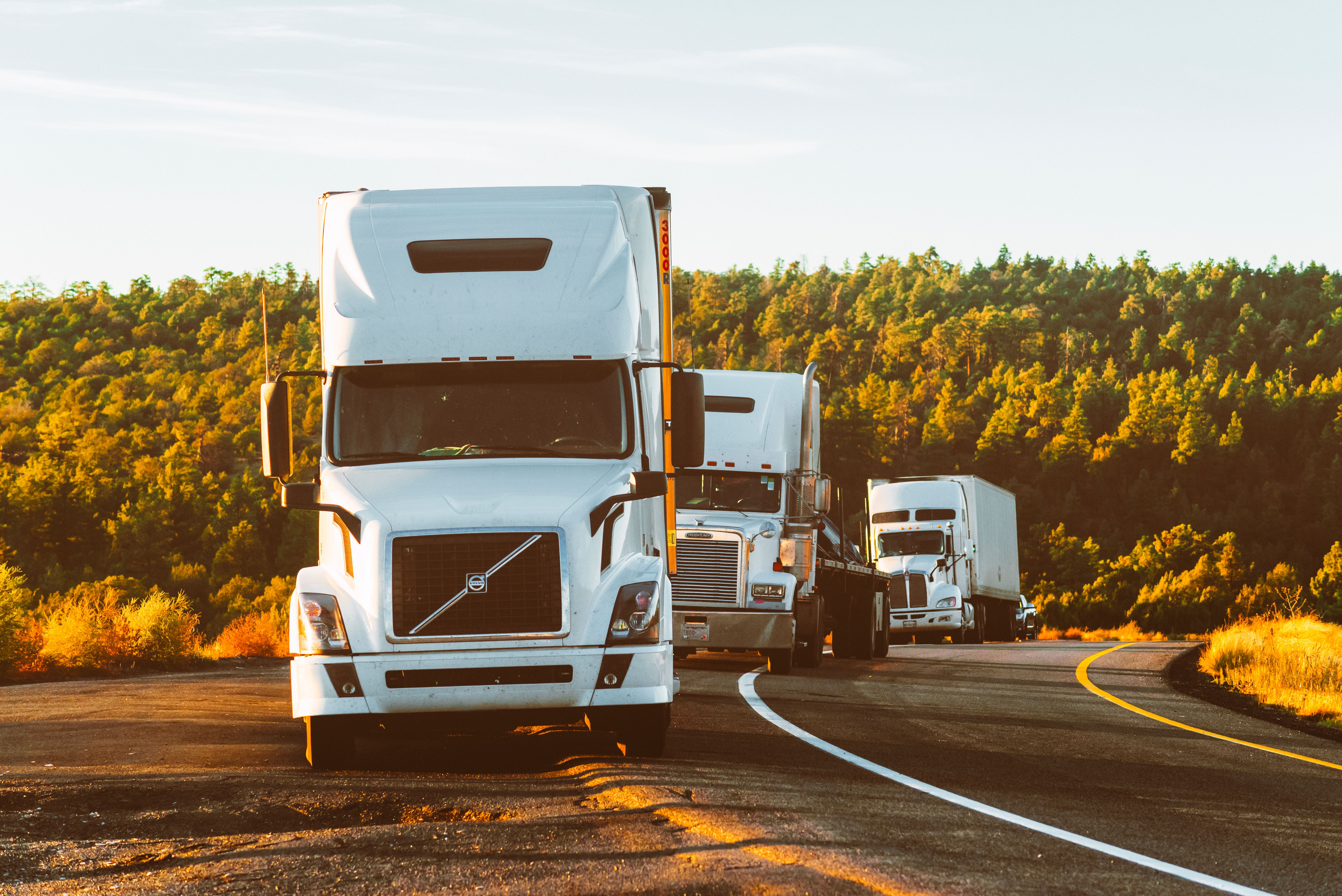
يقدم النقل البري عبر الحدود بين الصين وجنوب شرق آسيا عبورًا من 2 إلى 5 أيام بأسعار متوسطة. يغطي هذا الدليل الطرق الرئيسية عبر معبر الصداقة، وعبور اتفاقية TIR، وإجراءات عبور الحدود، ومقارنات التكاليف مع البحر والجو، وشهادة المنشأ ACFTA النموذج E للتعريفات التفضيلية.
The Growing Role of Cross-Border Trucking
Cross-border trucking between China and Southeast Asia has emerged as a competitive alternative to ocean and air freight for shipments between southern China and Vietnam, Thailand, Laos, Cambodia, and Myanmar. A truck from Shenzhen to Hanoi takes 2 to 3 days, compared with 7 to 10 days for ocean freight via Haiphong port and 1 to 2 days for air freight at significantly higher cost. For shipments between 500 kg and 5,000 kg, cross-border trucking fills the gap between air and ocean on cost and speed.
The China-Indochina Peninsula Economic Corridor, part of the Belt and Road Initiative, has invested heavily in road infrastructure connecting southern China to Southeast Asian markets. The Friendship Pass (Pingxiang) and Hekou border crossings between China and Vietnam handle the majority of cross-border truck freight, with Dongxing and Ruili serving as secondary crossings.
Key Routes and Transit Times
The primary cross-border trucking routes from China to Southeast Asia include: Shenzhen to Hanoi (2 to 3 days, 900 km), Guangzhou to Bangkok (4 to 5 days, 2,200 km via Laos), Kunming to Vientiane (1 to 2 days, 600 km via the new China-Laos Railway combined with truck), and Nanning to Ho Chi Minh City (3 to 4 days, 1,500 km). These transit times include border crossing procedures.
The newly opened China-Laos Railway has further enhanced cross-border logistics options. Goods can move by rail from Kunming to Vientiane in under 24 hours, then transfer to truck for final delivery to Thailand or Cambodia. This intermodal option reduces trucking time and cost for shipments to inland Southeast Asian destinations.
Border Crossing Procedures
Cross-border trucking requires customs clearance at both the Chinese exit border and the destination country entry border. At the Friendship Pass, trucks queue for export customs inspection on the Chinese side, then cross to the Vietnamese side for import customs clearance. The process normally takes 4 to 8 hours, but during peak periods it can extend to 24 to 48 hours.
Your freight forwarder should arrange a customs broker at both sides of the border to expedite clearance. The key documents required are the TIR Carnet (for transit under the TIR Convention), the commercial invoice, packing list, and certificate of origin. China and Vietnam are both TIR Convention parties, which allows sealed trucks to transit through intermediate countries without unloading for customs inspection at each border.
TIR Convention and Transit Facilitation
The TIR (Transports Internationaux Routiers) Convention is an international customs transit system that allows goods to move across borders in sealed vehicles or containers with minimal customs interference. China acceded to the TIR Convention in 2018, and Vietnam, Thailand, and Cambodia are also contracting parties. Under TIR, a truck loaded and sealed in Shenzhen can travel to Bangkok with customs inspection only at the origin and destination, not at each intermediate border.
The TIR Carnet serves as a customs transit document and a financial guarantee. The guarantee chain, managed by the IRU (International Road Transport Union), covers potential customs duties and taxes. Your forwarder should verify that the trucking company holds a valid TIR Carnet and that the route is covered by the TIR guarantee chain. TIR transit reduces border crossing time by 50 to 70% compared to conventional transit.
Cost Comparison: Trucking vs Ocean vs Air
For a 2,000 kg shipment from Shenzhen to Hanoi, cross-border trucking costs approximately USD 0.45 to 0.65 per kg, totaling USD 900 to 1,300, with a 2 to 3 day transit. Ocean freight via Haiphong costs USD 0.20 to 0.35 per kg but takes 7 to 10 days plus port handling. Air freight costs USD 1.50 to 3.00 per kg with 1 to 2 day transit. For this shipment profile, trucking offers the best balance of cost and speed.
For larger shipments above 10,000 kg, ocean freight becomes more economical despite the longer transit. For shipments under 500 kg, air freight or express courier may be more cost-effective due to minimum trucking charges. Your forwarder should provide a multi-modal comparison for each shipment to identify the optimal transport method.
Cargo Restrictions and Documentation
Cross-border trucking accommodates most general cargo, but certain products face restrictions. Dangerous goods require ADR-compliant vehicles and driver certifications. Perishable goods need refrigerated trucks, which are less readily available on cross-border routes than on domestic routes. Oversized cargo exceeding standard truck dimensions requires special permits from each transit country.
The commercial invoice must clearly state the HS code, country of origin, and Incoterms. Under the ASEAN-China Free Trade Area (ACFTA) agreement, goods with a valid Form E certificate of origin qualify for reduced or zero tariff rates. Your forwarder should help you obtain the Form E from the supplier and ensure it is presented at the destination customs to claim the preferential duty rate. Without Form E, the standard MFN (Most Favored Nation) duty rate applies, which can be 5 to 20% higher.