
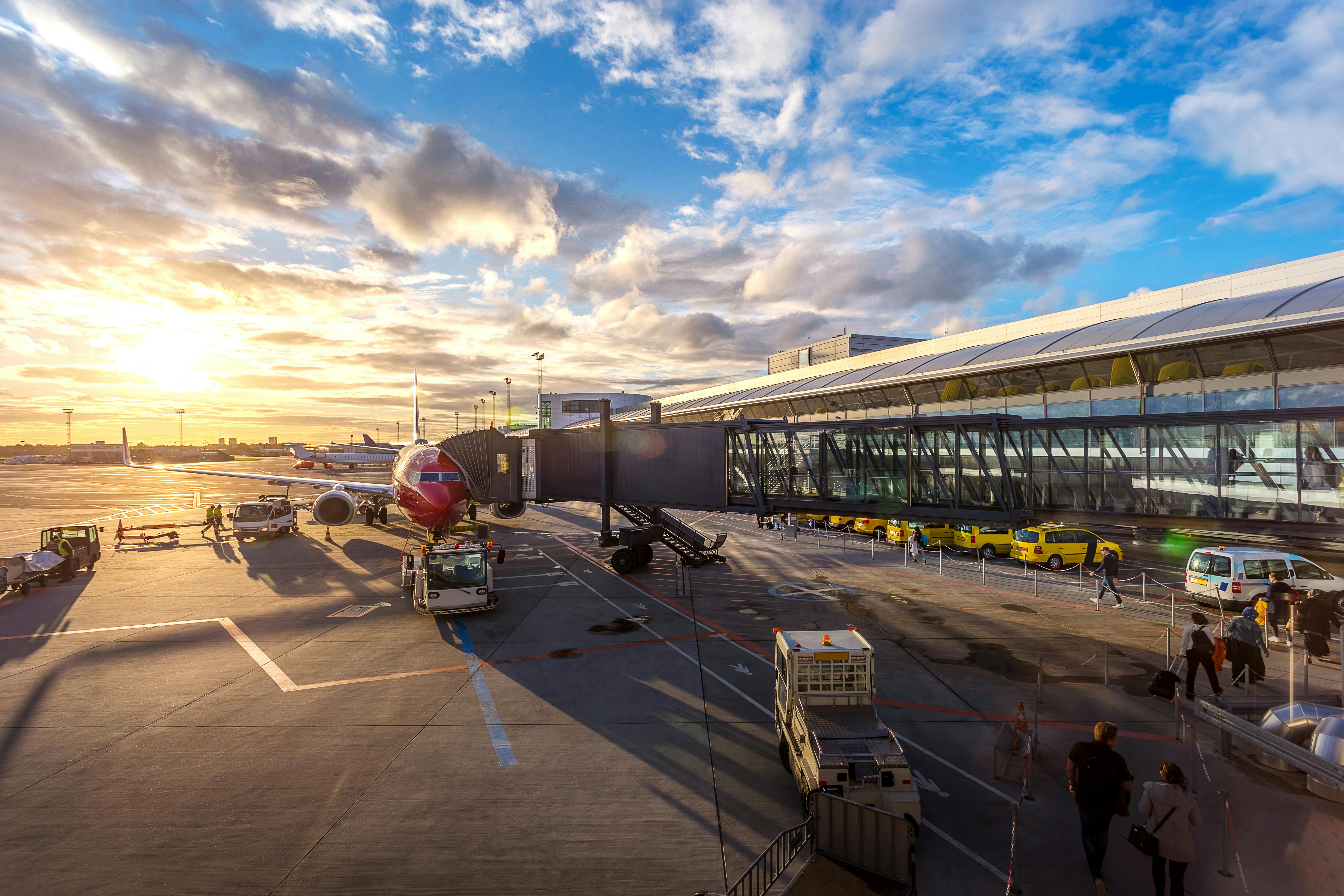
中国からの航空貨物には、請求可能重量、一般貨物とエクスプレスサービスの違い、IATA危険物規則、および混載とオフピークスケジュールによるコスト最適化の理解が必要です。このガイドでは、航空貨物が正当化される場合と、過払いを回避する方法について説明します。
When Air Freight Is the Right Call
Air freight is not just about speed, it is about solving a specific problem. The most common triggers are a production delay that threatens a stockout, a product launch deadline, a trade show sample that must arrive on a specific date, or a perishable good with a short shelf life. Before booking air, ask whether the urgency is real. If the downstream consequence of a 3-week delay is lost sales worth more than the freight premium, air freight is justified. If not, consider deferred ocean or rail options.
Standard air freight from Shanghai Pudong to Frankfurt takes 3 to 5 days airport-to-airport, including 1 to 2 days for terminal handling at origin and destination. Express courier service from DHL, FedEx, or UPS takes 1 to 3 days door-to-door but costs 2 to 4 times more than standard air freight. The choice depends on whether you need door-to-door speed or can tolerate airport-to-airport transit with your own last-mile arrangement.
Understanding Chargeable Weight
Air freight pricing is based on chargeable weight, which is the greater of actual gross weight and volumetric weight. The volumetric weight formula for international air freight is length times width times height in centimeters divided by 6,000. A shipment measuring 120 x 80 x 60 cm weighing 80 kg has a volumetric weight of 96 kg (120 x 80 x 60 / 6,000), so the chargeable weight is 96 kg, not 80 kg.
For dense cargo like metal parts, actual weight usually exceeds volumetric weight. For lightweight cargo like stuffed toys or empty plastic containers, volumetric weight dominates. Your forwarder should calculate both at the quoting stage so you understand which metric drives your cost. Packaging optimization that reduces dimensions by 10% can cut volumetric weight by 27%, which directly reduces air freight cost.
Choosing Between General Cargo and Express Service
General cargo air freight is consolidated by your forwarder onto commercial passenger flights or freighter aircraft. Rates from Shanghai to Chicago currently range from USD 5.50 to 8.50 per kilogram for general cargo above 100 kg. Below 100 kg, forwarders often apply a minimum charge or a higher per-kilogram rate, making small shipments proportionally expensive.
Express courier service is better for shipments under 45 kg where door-to-door tracking and customs clearance are included. For shipments above 100 kg, general cargo air freight through a forwarder is typically cheaper, even after adding destination handling and customs brokerage. The crossover point is usually around 70 to 80 kg.
Dangerous Goods by Air
Shipping dangerous goods by air requires strict compliance with IATA Dangerous Goods Regulations (DGR). Lithium batteries, aerosols, flammable liquids, and magnetized materials all have specific packaging, labeling, and documentation requirements. Most importantly, lithium ion batteries above 100 Wh per battery require UN3480 or UN3481 classification, IATA-compliant packaging, and a Shipper's Declaration for Dangerous Goods.
Many airlines refuse to accept Class 9 lithium batteries as cargo on passenger flights, restricting them to all-cargo freighter aircraft. This limits available capacity and can increase rates by 20 to 40%. Your forwarder should verify airline acceptance before booking and ensure all DGR documentation is prepared by a certified shipper. Attempting to ship undeclared dangerous goods can result in fines exceeding USD 50,000 and criminal prosecution.
Reducing Air Freight Costs
First, consolidate multiple small shipments into one larger shipment to hit the 100 kg rate break. The difference between the under-100 kg rate and the over-100 kg rate can be USD 1.50 to 3.00 per kilogram. Second, choose off-peak departure days. Midweek flights on Tuesday and Wednesday often have lower rates than Monday or Friday departures. Third, consider a deferred air service that routes through a secondary hub. A shipment from Shenzhen to London via Dubai may cost 15 to 20% less than a direct flight, adding only 1 to 2 days transit.
Finally, work with your forwarder to negotiate a framework rate agreement if you ship air freight regularly. Volume commitments of 500 kg per month or more can secure discounted rates of 5 to 15% below spot market pricing.
Common Documentation Errors That Cause Delays
The most frequent cause of air freight delays is an incomplete or inaccurate Shipper's Letter of Instruction (SLI). The SLI must include the full shipper and consignee names and addresses, accurate commodity descriptions with HS codes, country of origin, and declared value for customs. A vague description like 'samples' or 'electronic parts' will be rejected by the airline and by destination customs.
Ensure your commercial invoice includes a harmonized description matching the HS code, the country of origin as the actual manufacturing country (not the shipping country), and the Incoterms clearly stated. Your forwarder should review all documents before tendering the cargo to the airline, because corrections after tender can add 24 to 48 hours of delay.