
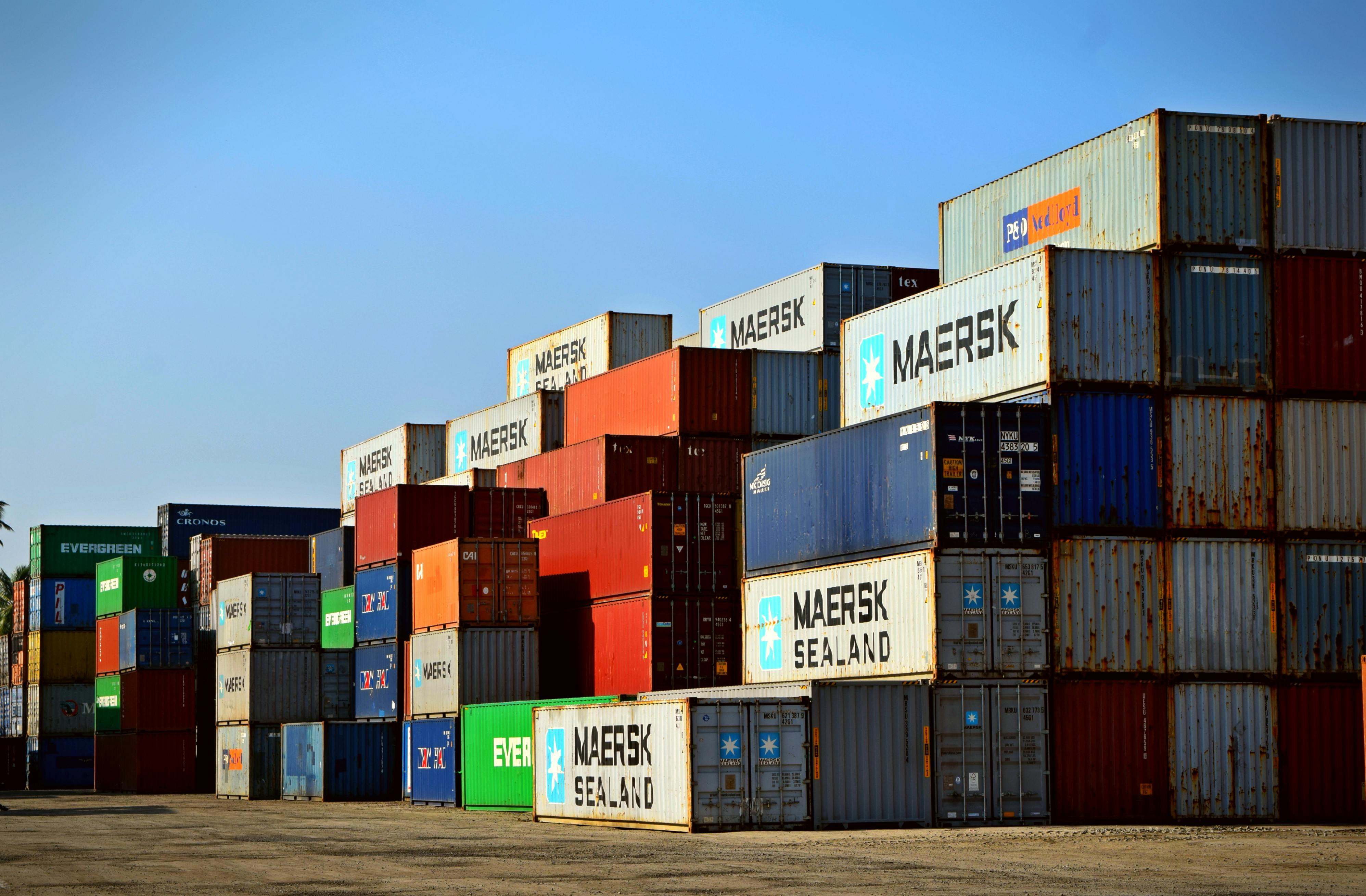
中国調達品の倉庫・配送戦略では、中国の保税倉庫、仕向地DC選定、クロスドッキング、付加価値サービス、WMSテクノロジー統合について説明し、総物流コストを10〜20%削減します。
Why Warehousing Strategy Matters in Freight Forwarding
Many buyers treat warehousing as an afterthought, focusing only on the freight quote from port to port. But the warehouse is where inventory carrying costs accumulate, where order fulfillment speed is determined, and where value-added services like labeling, repacking, and quality inspection happen. A well-planned warehousing strategy can reduce your total logistics cost by 10 to 20% while improving delivery speed to your end customers.
For buyers importing from China to Europe or North America, the key decision is whether to store inventory at the origin (in China before export), at the destination (in a local warehouse after import), or use a bonded warehouse model that defers duty payment until goods are actually sold.
Bonded Warehouses in China: Deferring Duty and VAT
A bonded warehouse in China allows imported materials to enter without paying import duty or VAT, as long as the goods are subsequently exported. This is particularly valuable for buyers who import raw materials or components into China for assembly, then re-export the finished product. The bonded warehouse model eliminates the cash flow burden of paying duty on inputs and then claiming a drawback after export.
For international buyers using China as a sourcing hub for regional distribution, a bonded warehouse in Shanghai or Shenzhen can serve as a consolidation point. Goods from multiple suppliers are received, inspected, and repacked in the bonded zone, then shipped to the final destination country. Since the goods never enter Chinese domestic commerce, no Chinese duty or VAT applies. Your forwarder should operate or partner with a bonded warehouse facility that offers receiving, inspection, repacking, and loading services.
Destination Warehousing: Distribution Center Selection
After goods arrive at the destination port, they need a distribution center for storage and order fulfillment. The location of this DC determines your last-mile delivery cost and speed. For the US market, a DC in the Midwest (such as Ohio or Indiana) can reach 80% of the US population within 2-day ground shipping. For Europe, a DC in the Netherlands or Belgium serves as a central hub with excellent port access and VAT deferment options.
Key factors in DC selection include proximity to the arrival port to minimize drayage cost, labor availability and cost, warehouse rental rates, and access to parcel carrier networks. Warehouse space in Los Angeles currently costs USD 12 to 18 per square foot per year, compared with USD 6 to 9 in Ohio. The trade-off is lower drayage cost in LA versus lower storage cost and better population reach in the Midwest.
Cross-Docking for Fast-Turn Inventory
Cross-docking eliminates storage time by moving goods directly from the inbound container to the outbound delivery vehicle. This works best for predictable, high-volume products where inbound supply matches outbound demand. A cross-dock operation receives a container, breaks it down into individual orders, and loads them onto delivery trucks within 24 to 48 hours, without putting anything on a shelf.
The benefit is reduced handling cost (no putaway, no picking), zero storage cost, and faster order fulfillment. The risk is that any disruption in the inbound schedule immediately impacts outbound delivery. Cross-docking requires tight coordination between your forwarder, the DC operator, and your downstream customers or retail locations.
Value-Added Services in the Warehouse
Modern freight forwarders offer more than storage and shipping. Value-added services that can be performed in the warehouse include product inspection, labeling and relabeling, kitting and assembly, gift wrapping or promotional packaging, serial number registration, and returns processing. Performing these services at the warehouse, before the goods are shipped to the end customer, reduces errors and improves fulfillment speed.
For European buyers, relabeling products with CE compliance labels and EU-specific language labels in the warehouse before distribution avoids the cost and delay of relabeling at the retail level. For US buyers, applying FCC compliance labels and country-of-origin labels at the warehouse ensures compliance before the product reaches the consumer.
Inventory Management and Technology Integration
A warehouse management system (WMS) tracks inventory in real-time, manages slot locations, and generates pick lists for order fulfillment. Your forwarder's WMS should integrate with your e-commerce platform or ERP system via API, so inventory levels and order status are visible in your own system. Real-time inventory visibility prevents overselling, enables accurate delivery date promises, and reduces the need for safety stock.
Ask your forwarder about their WMS capabilities, including cycle counting, lot tracking, expiry date management, and reporting. A forwarder with robust WMS technology can provide daily inventory reports, aging analysis, and reorder point alerts that help you optimize your inventory levels and avoid both stockouts and overstocking.