
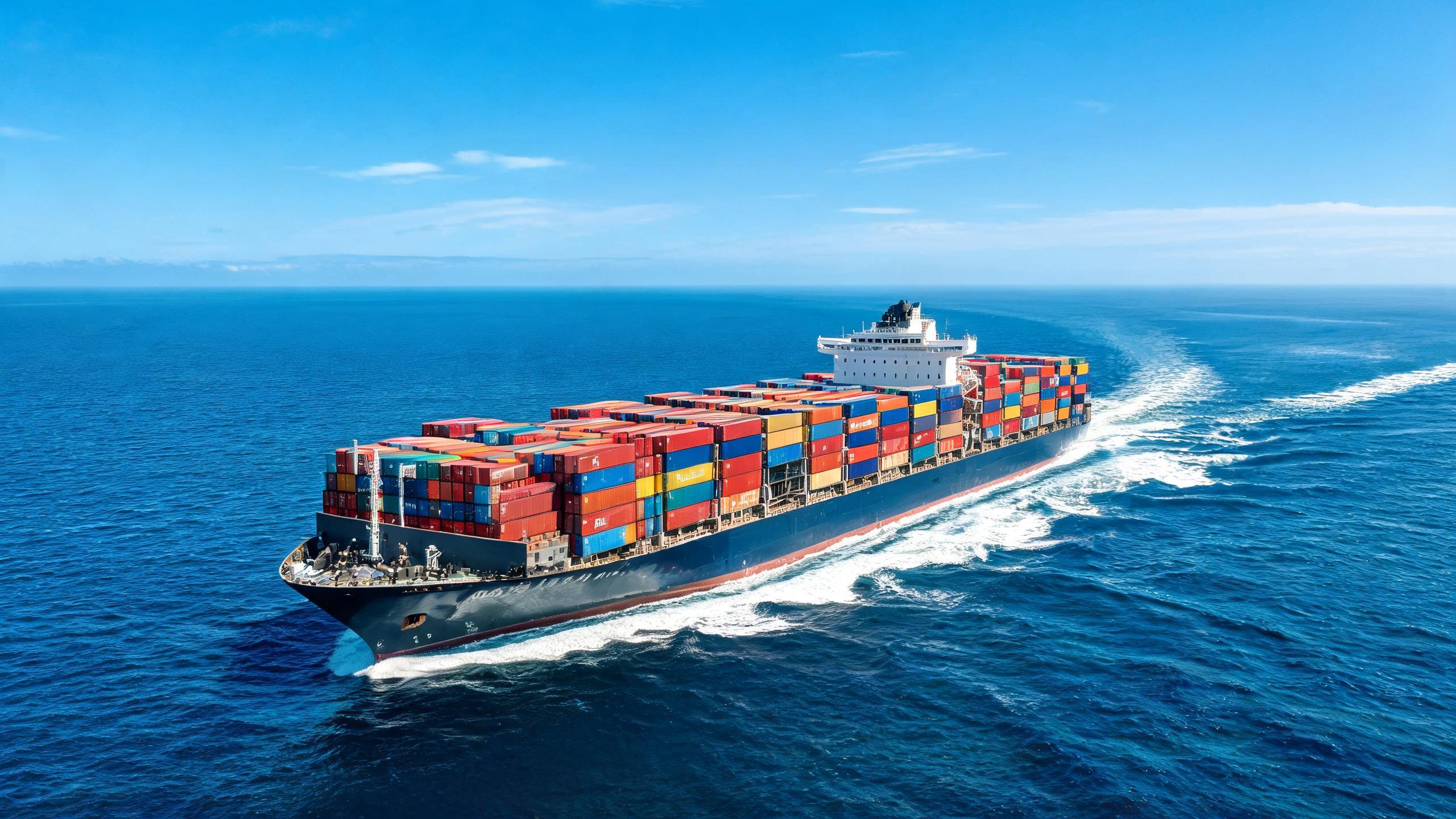
Selecting the right freight forwarder for shipping from China to the USA is a critical decision that impacts your supply chain reliability, cost, and compliance. This guide provides a structured evaluation framework, including specific criteria to check, red flags to watch for, and practical steps to verify a China forwarder to USA before committing. It covers documentation, customs, insurance, communication, and payment terms—everything a B2B buyer needs to make an informed decision.
BUYER GUIDE
- Verify the forwarder's license (NVOCC, FMC bond) and insurance coverage before shipping.
- Request a detailed service scope in writing—door-to-door, port-to-door, or port-to-port—and confirm what's included.
- Check references: ask for 2–3 recent clients shipping similar cargo from China to the USA.
- Watch for red flags: vague quotes, pressure to pay in full upfront, or refusal to provide a tracking system.
- Compare at least 3 quotes with the same Incoterms and service level, not just the lowest price.
Shipping from China to the USA involves multiple handoffs, regulatory layers, and significant financial risk. The freight forwarder you choose acts as the central coordinator—one mistake can delay your shipment for weeks, trigger unexpected customs fees, or worse, result in a seizure. This article gives you a structured framework to evaluate a china forwarder to usa, including specific criteria, red flags, and actionable steps to protect your supply chain.
Why the Forwarder Selection Matters More Than the Shipping Rate
Many buyers focus on the per-cubic-meter or per-container rate. But the real cost of a poor freight forwarder china to usa includes:
- Customs clearance delays (storage fees, demurrage, missed delivery windows)
- Incorrect documentation (leads to holds, fines, or cargo refusal)
- Poor communication (you don't know where your cargo is for days)
- Hidden fees (release fees, chassis fees, late pickup penalties)
- Liability gaps (damaged or lost cargo with insufficient insurance)
A reliable forwarder prevents these issues. A cheap one often creates them.
Evaluation Criteria: What to Check Before You Book
1. License and Regulatory Compliance
A forwarder handling shipments from China to the USA must be registered with the Federal Maritime Commission (FMC) as a Non-Vessel Operating Common Carrier (NVOCC) or have a valid ocean transportation intermediary (OTI) license. This is not optional.
What to ask for:
- FMC license number (for NVOCC) or OTI number
- Bond amount (typically $75,000 for NVOCC, $150,000 for OTI)
- Proof of liability insurance (minimum $500,000 is common)
You can verify the license on the FMC website. If the forwarder hesitates to provide this information, treat it as a major red flag.
2. Service Scope and Incoterms Clarity
Not all forwarders offer the same services. Some handle only port-to-port; others manage door-to-door including customs clearance and last-mile delivery in the USA. The china freight forwarder to usa you choose must match your required service level.
| Service Type | Typical Scope | Best For |
|---|---|---|
| Port-to-Port | Origin port loading + destination port discharge | Buyers with their own customs broker and trucking |
| Port-to-Door | Port handling + customs clearance + delivery to address | Buyers who want a single point of contact |
| Door-to-Door | Pickup from supplier warehouse + all above | Buyers with less experience or multiple suppliers |
Ask for a written service description that lists exactly what is included and what is not. For example, does the quote include customs brokerage, ISF filing, and container freight station (CFS) charges? If not, get those costs separately.
3. Communication and Tracking Capability
You need to know where your cargo is at every stage. A reliable forwarder provides:
- A tracking portal or system with real-time updates
- Dedicated account manager or operations contact (not just a general email)
- Response time within 4 business hours during working days
- Proactive alerts for delays, holds, or documentation issues
Test this before you book. Send a question about a hypothetical shipment and time how long it takes to get a clear answer.
4. Financial Stability and Payment Terms
Shipping involves prepaying ocean freight, customs duties, and terminal charges. If your forwarder is financially unstable, your cargo could be held by the carrier or terminal if the forwarder fails to pay.
Check:
- Years in business (minimum 3–5 years is a reasonable baseline)
- Payment terms: net 30 or net 60 is common for established relationships; full prepayment is unusual for a first shipment but not unheard of
- References from at least 2 US-based importers who have used them for 6+ months
Red Flags: What Should Make You Walk Away
1. Vague or Incomplete Quotes
A quote that says "all-in" without listing the components is a warning. Ask for a breakdown of:
- Ocean freight (base rate)
- Bunker adjustment factor (BAF) / fuel surcharge
- Terminal handling charges (THC) at origin and destination
- Customs clearance fee
- ISF filing fee
- Documentation fee (origin and destination)
- Insurance (if included)
If the forwarder cannot provide this breakdown, they are either hiding costs or lack the operational detail to manage your shipment properly.
2. Pressure to Pay in Full Before Shipment
Standard practice is to pay a deposit (30–50%) upon booking and the balance upon cargo loading or before vessel departure. Full prepayment before the container is loaded gives you zero leverage if something goes wrong.
3. No Physical Office or Local Presence
Some forwarders operate as virtual brokers with no physical office in China or the USA. While this can work for simple shipments, it increases risk. Ask for a visit to their office if you are in China, or request a video call from their operations center. A forwarder with a physical presence in both countries is generally more reliable.
4. Refusal to Provide References or Case Studies
A reputable forwarder will have a list of clients they can refer you to (with permission). If they say "we cannot share client information" without explanation, it often means they have few or unhappy clients.
5. Poor English Communication or Unclear Documentation
While English is not the first language of many Chinese forwarders, the person handling your account should be able to communicate clearly in writing. If their emails are full of grammatical errors or unclear terms, expect the same in your shipping documents—which can cause customs delays.
Practical Steps to Vet a China Forwarder to USA
- Get 3–5 quotes with the same service scope and Incoterms (e.g., CIF Los Angeles or DDP your warehouse).
- Check their FMC license on the FMC website (free and takes 2 minutes).
- Call their references—ask about on-time performance, hidden fees, and responsiveness.
- Request a sample bill of lading to see how they document cargo details.
- Test their tracking system by asking for a demo or screenshot of a recent shipment.
- Review their insurance policy—ask for the certificate and confirm coverage limits.
Common Mistakes Buyers Make
- Choosing the lowest rate without checking service scope. The cheapest quote often excludes customs clearance, ISF filing, or terminal handling—adding 20–30% to the final cost.
- Assuming all forwarders offer the same transit time. Some use transshipment routes (e.g., via Korea or Taiwan) that add 3–7 days compared to direct sailings.
- Not clarifying who handles customs clearance in the USA. If the forwarder uses a third-party broker, you need their contact and license number too.
- Ignoring cargo insurance. Ocean carriers limit liability to about $500 per package. For high-value goods, this is nowhere near enough.
FAQ: Quick Answers to Common Questions
What is the difference between a freight forwarder and a customs broker?
A freight forwarder arranges transportation. A customs broker handles clearance with US Customs and Border Protection (CBP). Many forwarders offer both services, but not all. Confirm which is included in your quote.
How long does shipping from China to the USA typically take?
Direct sailings from Shanghai or Shenzhen to Los Angeles take 12–16 days. To New York or Savannah, add 5–10 days. Door-to-door can add 3–7 days for pickup and delivery. These are estimates—actual transit depends on weather, port congestion, and vessel schedules.
Do I need a bond for customs clearance?
Yes, for most commercial shipments. The forwarder or their broker typically arranges a continuous bond (annual) or single-entry bond (per shipment). Cost is usually $150–$300 for a single-entry bond for a container.
What happens if my cargo is damaged?
File a claim immediately with the forwarder and the carrier. You need photos, a survey report (if applicable), and the bill of lading. If you have cargo insurance, the process is faster. Without insurance, recovery is limited to the carrier's liability cap.
Final Checklist Before You Sign
| Checklist Item | Status |
|---|---|
| FMC license verified | ☐ |
| Insurance certificate reviewed (min $500k) | ☐ |
| Service scope in writing (port-to-port, port-to-door, or door-to-door) | ☐ |
| Quote broken down by component (not just "all-in") | ☐ |
| Payment terms confirmed (deposit + balance on loading) | ☐ |
| Tracking system demo received | ☐ |
| At least 2 client references contacted | ☐ |
| Direct contact person assigned (name, email, phone) | ☐ |
Choosing a freight forwarder china to usa is not a one-time decision—it's a partnership that affects your entire supply chain. Take the time to evaluate each candidate against these criteria. A reliable forwarder will welcome your questions and provide the documentation you need. One that avoids them is not worth the risk.
If you are currently evaluating forwarders, use this checklist as your starting point. For specific questions about your cargo type, destination, or timeline, contact our team for a consultation.